
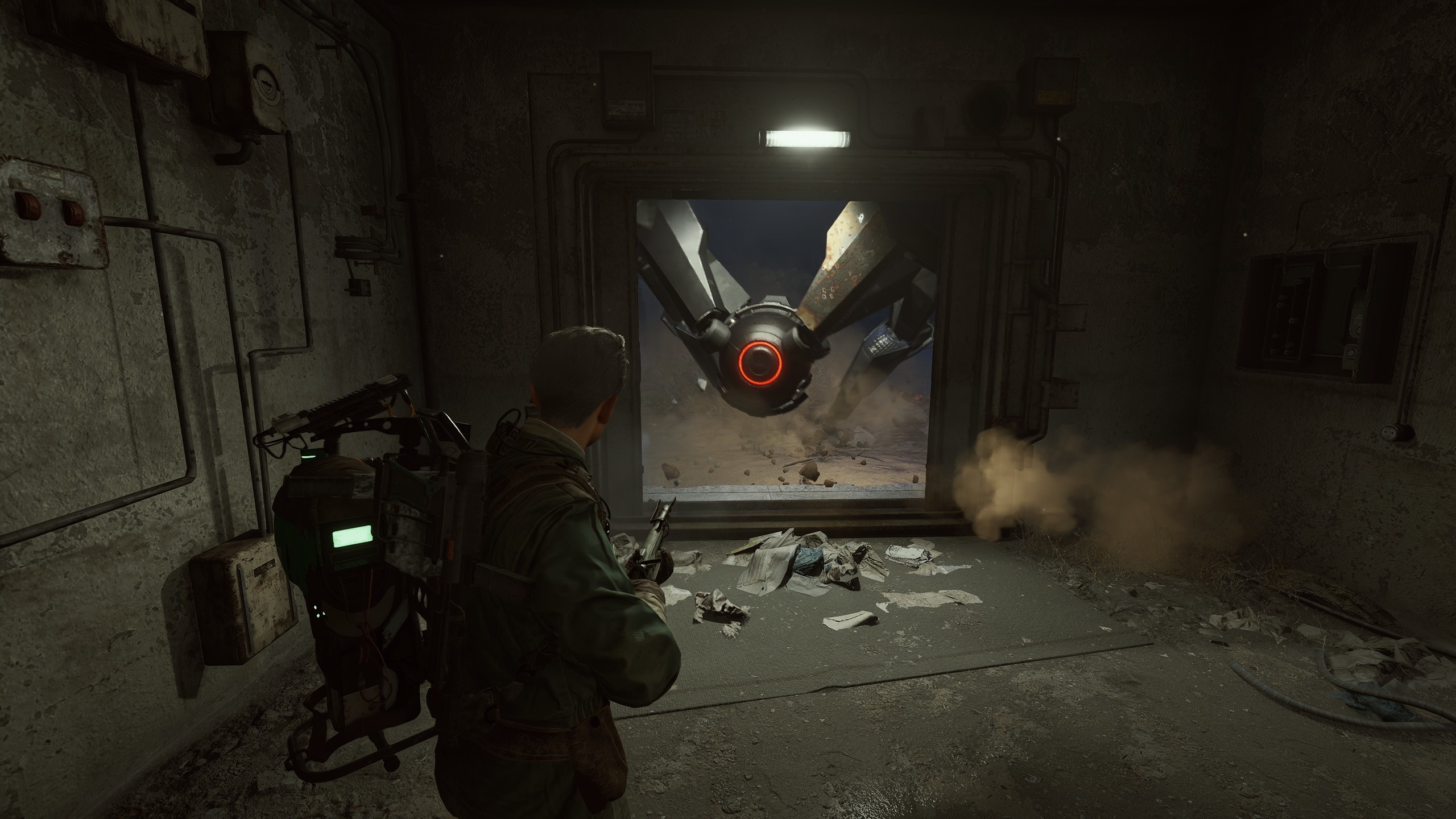
Armor durability in Arc Raiders shapes survival over time rather than in single moments. While damage mitigation feels immediate, durability loss accumulates quietly, influencing how players approach future encounters.
Many players focus on short-term protection without considering long-term degradation. Survival improves when durability is treated as a strategic resource rather than a passive stat.
Durability as a Hidden Countdown
Every hit reduces not only health but future resilience. Durability functions as a hidden countdown, limiting how many mistakes armor can absorb across a raid. Players who ignore this erosion often find themselves exposed later without realizing why fights feel harder.
Survivors track durability mentally, adjusting behavior as protection weakens instead of waiting for failure to reveal the problem.
Behavioral Shifts Triggered by Wear
As armor degrades, effective risk tolerance changes. Early confidence gives way to vulnerability, even if health remains stable. Players who fail to recognize this shift continue engaging as if protection were intact. Survivors reduce exposure, avoid unnecessary contact, and prioritize positioning as durability drops. Awareness of wear prevents sudden collapses.
Compounding Effects Across Encounters
Durability loss compounds across engagements. Minor hits that seem inconsequential early become decisive later.

This compounding effect rewards players who minimize chip damage and disengage intelligently. Long-term survival favors consistency over aggression. Players who treat armor as renewable often discover too late that their margin for error is gone.
Durability-Related Mistakes Players Make
Several patterns consistently undermine long-term protection.
- Absorbing unnecessary damage to save time
- Ignoring early wear indicators
- Engaging repeatedly without reassessing protection
- Assuming armor failure is sudden rather than gradual
These habits accelerate vulnerability.
Why Preservation Extends Control
Preserving armor durability maintains options deeper into a raid. Players who minimize exposure retain flexibility when conditions worsen. This preservation allows later engagements to be approached on favorable terms rather than forced reactions.
Mechanical skill cannot replace lost durability once it is gone. Control is extended by prevention, not recovery.
Conclusion
Armor durability systems in Arc Raiders influence survival by shaping long-term decision-making rather than momentary outcomes. Players who respect wear and adapt behavior accordingly maintain resilience throughout a raid.
Those who ignore durability drift toward failure without clear warning. Survival belongs to players who treat protection as a resource that must be preserved, not spent freely.
Leave a Reply