
Introduction
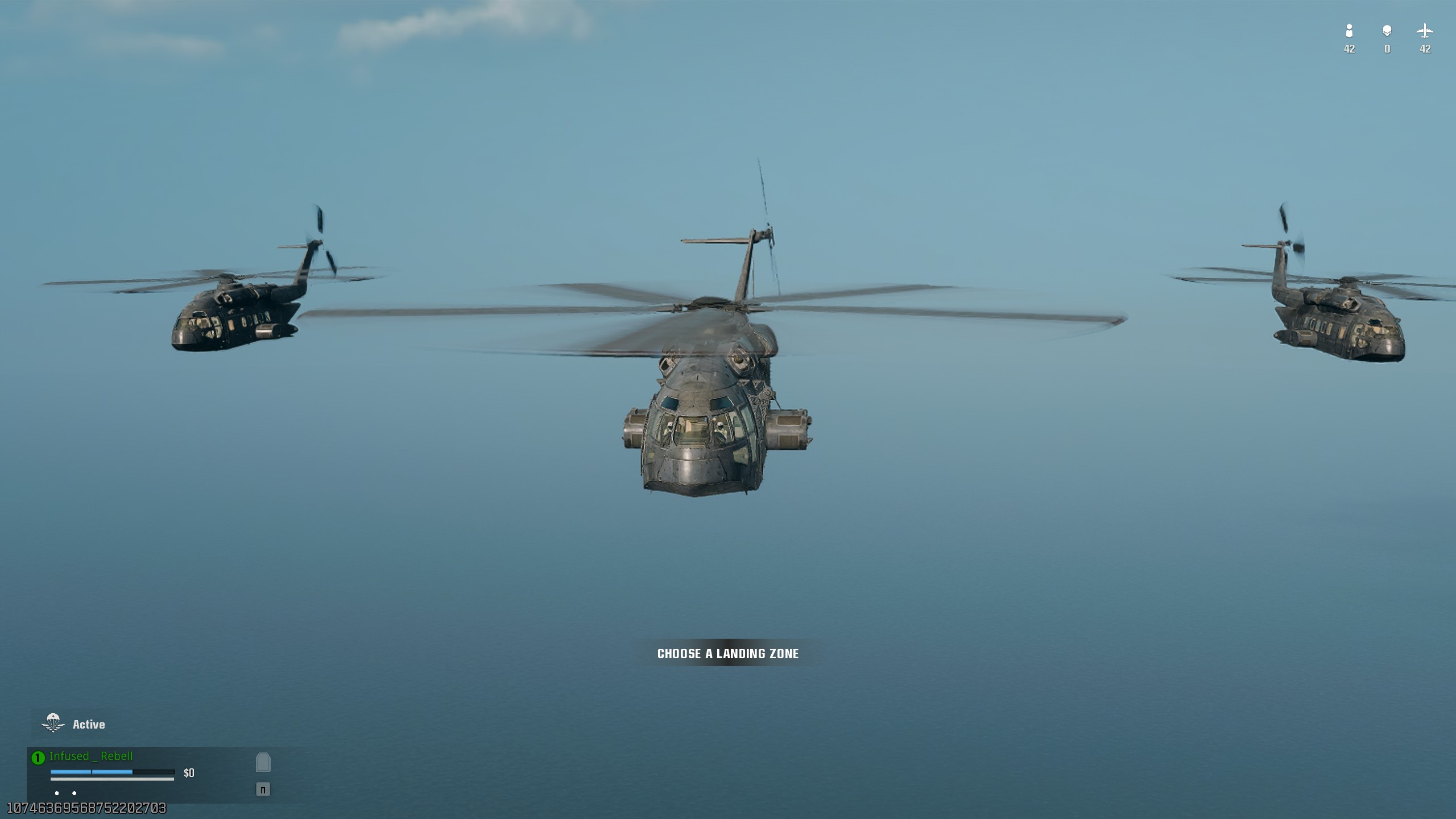
Communication is a fundamental pillar of success in Call of Duty’s team-based gameplay. Whether you are playing casual multiplayer or competitive matches, effective communication ensures coordinated efforts, strategic planning, and timely responses to in-game events.
Without proper communication, even the most skilled teams can falter due to misunderstandings or missed opportunities. This article explores the vital role communication plays in Call of Duty team play, including different communication methods, common challenges, and tips to improve teamwork and overall performance.
Types of Communication in Call of Duty
Communication in Call of Duty happens through various channels, each serving different purposes. The main types include voice chat, text chat, in-game ping systems, and non-verbal cues. Voice chat is the fastest and most effective method, allowing real-time exchanges of information about enemy locations, strategy adjustments, and tactical calls. Text chat is useful when voice communication isn’t available, while ping systems offer quick, visual markers that can alert teammates to threats or objectives without the need for talking.
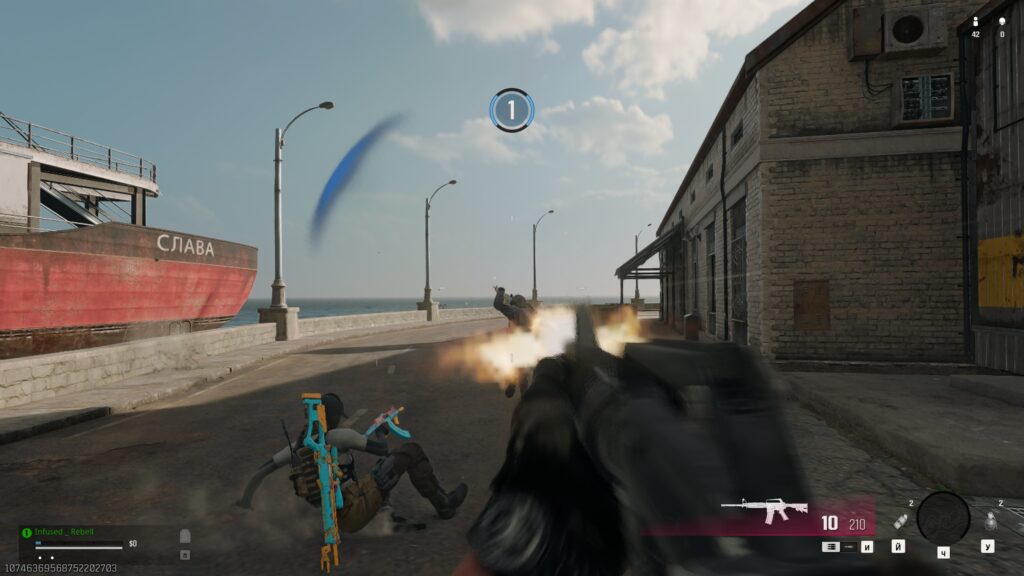
- Voice Chat: Enables instant, direct communication.
- Text Chat: Useful for non-voice players or detailed instructions.
- Ping System: Visual alerts marking enemies, locations, or items.
- Non-Verbal Cues: Player movement and positioning can signal intentions.
Why Communication Matters
Strong communication enables teams to synchronize movements, plan ambushes, share resources, and react quickly to changing situations. It helps in avoiding friendly fire, coordinating objectives, and supporting teammates effectively.
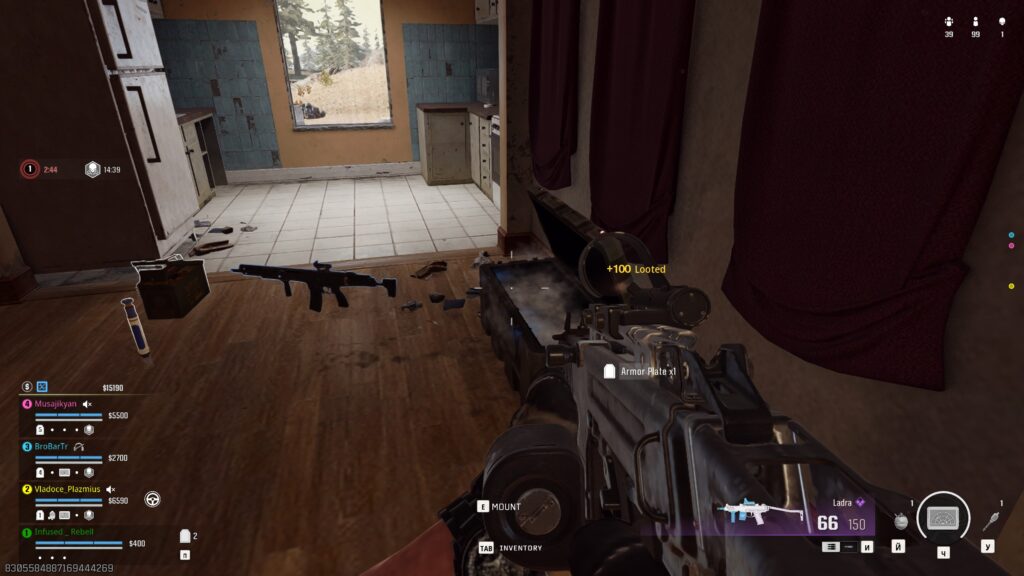
Teams that communicate well often dominate matches by outmaneuvering and outsmarting opponents. Moreover, communication fosters camaraderie and trust, which improves morale and teamwork under pressure.
Challenges in Call of Duty Communication
Despite its importance, communication can be hindered by several challenges. Background noise, language barriers, and toxic behavior can disrupt teamwork. Additionally, inconsistent or unclear communication leads to confusion and mistakes.
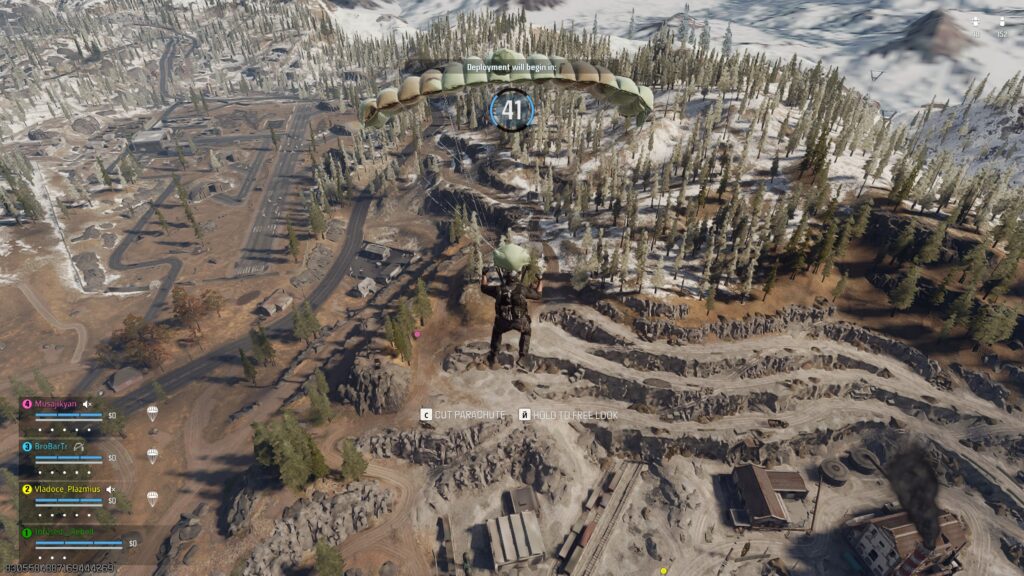
Not all players use microphones, and some may be hesitant to communicate actively. Overcoming these obstacles is essential for building effective team dynamics and improving match outcomes.
Tips to Enhance Team Communication
Improving communication within your Call of Duty team requires deliberate effort and good habits. Here are key tips:
- Use Clear and Concise Callouts: Name locations and enemies precisely to avoid confusion.
- Keep a Positive Attitude: Encourage teammates and avoid toxic language.
- Practice Active Listening: Pay attention to team calls and respond appropriately.
- Establish Roles: Assign communication roles like leader or navigator for structured calls.
- Utilize Ping System: Supplement voice communication with visual markers for clarity.
Conclusion
Communication is a critical factor that separates good teams from great ones in Call of Duty. By leveraging multiple communication methods, fostering a positive environment, and practicing effective callouts, teams can achieve better coordination and performance.
Emphasizing communication not only enhances gameplay but also enriches the overall multiplayer experience, making teamwork more enjoyable and rewarding.
Leave a Reply